The Liar
English Version
23 Apr 2026 (Thu) 8pm - 9pm
25 Apr 2026 (Sat) 8pm - 9pm
Cantonese Version
24 Apr 2026 (Fri) 8pm - 9pm
26 Apr 2026 (Sun) 3pm - 4pm
JC Cube
HK$280
Remarks
- Duration: approximately 1 hour 20 minutes without interval
- No latecomers will be admitted
- This programme is offered in Cantonese or English versions with no surtitles
- This programme contains strong language, mild bloody and disturbing scenes
- Recommended for ages 16 and above
- Programmes are subject to change without prior notice. Tai Kwun reserves the right to make the final decision regarding the arrangements.
For me, working with THE LIAR has been an investigation into what theatre is. Telling a story to an audience. Creating a moment where we all immerse ourselves in a story, where for a moment we believe in what the actor is saying. Because we want to believe it and because theatre has the ability to tell stories and seduce us. Today we are afraid that fake news, deep fake and misinformation make it impossible to distinguish between reality and artificially created fictions. But most often it is built on the very basic principles that theatre has used from the beginning in telling stories. It is about having a good story, it is about structure, it is about entertainment, it is about retaining the audience. It is not about whether it is true, it is about whether it is a good enough story that we want to listen to.
That has been the starting point for our work and it has taken us many places. It has been a privilege to be invited to Tai Kwun and have the opportunity to work creatively with actor Tai Yin Chan over a long period of time in various studies of the concept of lying. It has challenged our relationship with our own dealings with lying and why we use lies to get through life's many challenges. There are lies on all possible levels. There are those that are between us on a daily basis and then there are those that can seduce larger groups of people. There are lies that give hope and comfort to some and then there are lies that can destroy the lives of others.
Lies help create alternative realities and there are lies that hold societies together. There are lies that create communities and then there are lies that break our trust and separate us. Our society is most challenged in a world where we begin to doubt the truth, and where trust in what we are told disappears. I think that is the nightmare most of us fear.
We look forward to presenting LIAR at Tai Kwun. We're going to tell a story and maybe we're going to lie a little...
Director and playwright
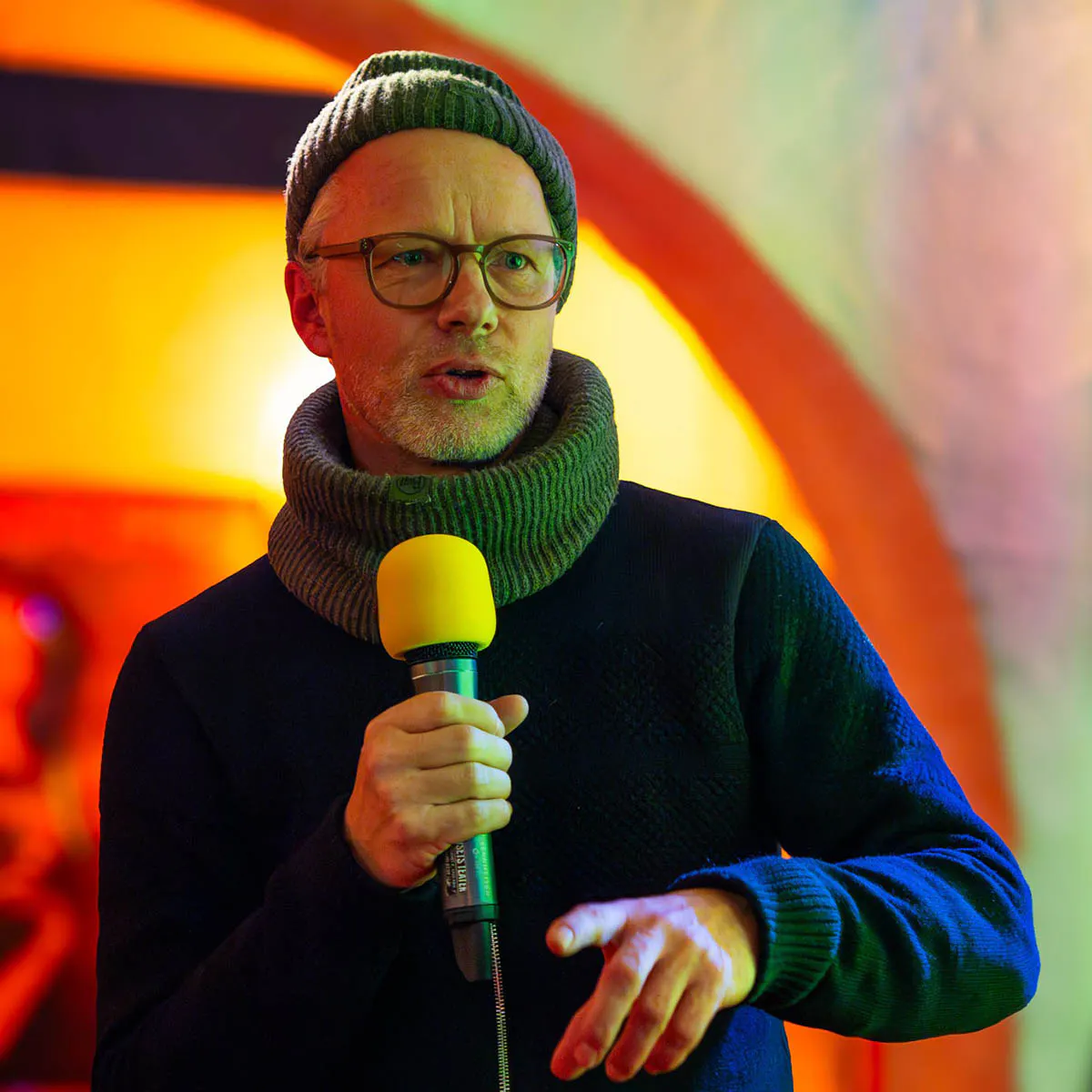
Tue Biering
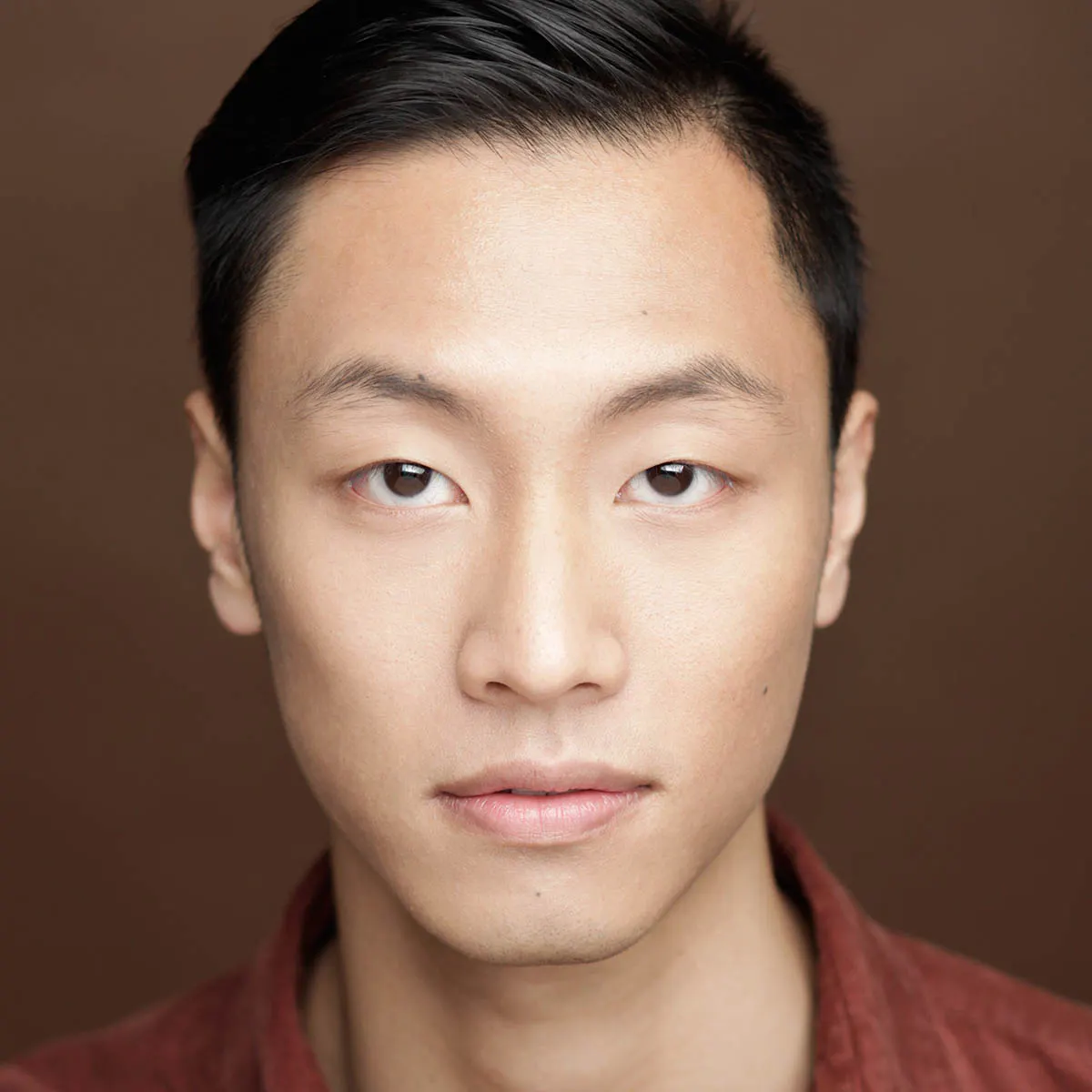
Tue Biering x Chan Tai Yin
Conversations with The Liar
Q: The Liar is your Asian debut. Is the performance specific to Hong Kong or Asia, or is it universal?
Biering: Lying is a shared human experience we all deal with on a daily basis. It is deeply rooted in our way of being together on many different levels. The reality where we thought we could navigate what was right and wrong has changed dramatically in the last few years. We can no longer trust what we see in the media because technology can manipulate so convincingly. The technology has improved and lies can be distributed more efficiently but, as ever before, it is still carried by a desire from some people who want to create an “alternative truth” or deceive us. Lies have always been there.
In the theatre, we lie every day. At least for a moment we get the audience to empathise with a story that is fiction. And sometimes it is fiction that creates our understanding of the world and other people. In this way, art can create and manipulate our perception of the world and how things are connected.
Q: Can you tell us about The Liar? What themes or issues does it explore, and how are they explored?
Biering: I do not want to reveal too much about the performance. I am interested in our desire to trust in each other, and I am exploring it in the relationship with the audience. We like to immerse ourselves in what is happening on stage. And we are drawn to the drama when it is happening around us.
Q: “The Liar is a performance about how easily we can be seduced by a good story, and about the anatomy of a liar”. So whom can we trust? How can we get by in a world full of lies?
Biering: I don't know the answer to that, but I am sure many of us are worried about it. Ultimately, we can't live in a society where we can't trust each other. And I think you have to build trust. If a society is built on distrust, it will collapse one day. Truth and trust are something we have an obligation to preserve as communities and as individuals.
Q: You said in an earlier interview that you like backtracking people’s lives to find the scenes or moments that made them who they are today. Is this how you and Tai Yin started working together?
Biering: Yes, in a way. I am interested in the actor as a human being and a person. And that is quite often what I base my writing on when I write something for actors. It is not the character but how the actor relates to the character.
Q: What kind of actor is Tai Yin to you?
Biering: He is extremely artistically curious. He constantly wants to develop and challenge his practise and I see that as a tremendous strength. He is not limited by something he, as an actor, does not want to do.
Q: What challenges did you encounter in this performance?
Biering: I think it is important to let challenges create some tension. In this context, my own doubts were probably the biggest challenge. I am always very doubtful.
Q: What experience do you want to create for the audience?
Biering: First and foremost, I want to create a problem. Something you have to go home and think about. But beyond that, it has to be entertaining and challenging and something you have not experienced before.
Q: Do you have any words for the audience?
Biering: Hi and I love to tell you a story. Everything is happening for real, but you will never know if it is true.
================
Q: Is this your first solo performance? How different is The Liar from your previous performances?
Chan: This is my third solo work. The previous two were created entirely by me, and this is my first co-creation with another director. As a creative actor, I enjoy improvising text and movement during rehearsals. During rehearsals for this production, an observer is present to interpret these texts and movements in real time, leading to misunderstandings and distortions which are the very essence of the creative process. The continuous process of secondary creations is far more interesting than working alone.
Q: How would you describe The Liar? How does it connect to your current life (abroad)?
Chan: Society once trusted mainstream media as gatekeepers of information. But now everyone is experiencing a crisis of trust regarding information. This also affects public issues like how we understand facts. More importantly, it impacts our personal lives. Living abroad, I often keep in touch with my family through messaging apps. Sometimes when conversations involve personal privacy or financial transactions, I can’t help but feel a momentary doubt. How can I be sure the person on screen is really my mother? We joke about setting up secret codes. These situations are increasingly common. The collapse of trust is not only a social crisis—it is first and foremost a crisis of individual existence.
Q: In The Liar, you are not an “artist in language” but a “con artist in language”? What are the challenges in your performance? What qualities does a “con artist in language” require? Is it similar to acting?
Chan: The person on stage is not playing a character. He is an actor exploring the relationship between performer and audience, looking at how to seduce and toy with the audience’s psychology. Language is part of it, but more important is the manipulation of the story. The human brain makes preferences and judgements through emotion first. And this performance is a search for the story behind “storytelling”. We are constantly thinking about how to make the audience enjoy being seduced by a story even when they know they are being seduced. Successful liars let their victims construct the story in their own minds. And the first step is to understand the target. Actors, too, must have an understanding of people.
Q: In a post-truth era full of lies and seeing is not believing, how should one conduct oneself and interact with others? Should we trust nothing at all?
Chan: I am not in a position to offer advice, as the answer differs for everyone. The immediate reaction is to not believe in anything. But if we observe different cultures, traditional religious beliefs or similar sects around are regaining followers. Does this mean we are returning to an idealistic fairy-tale world, where we remain safe within our own echo chambers while the divides between communities grow ever wider? After all, humanity has lived in this state throughout history. But is this a step forward or backward for civilisation? It raises a whole series of questions that we must keep on asking.
Q: What kind of director is Tue? Can you share your collaborative process? What inspiration did you gain from him?
Chan: Tue has no false illusions about artistic creation. He does not favour any particular form or idea, and has no preconceptions. He always returns to the basics of theatre. This makes his work quite unique. We stripped away many unnecessary details, like peeling away layers of an onion. This creative attitude is a driving force for breakthroughs and innovation.
Q: What kind of theatrical experience do you hope the audience will have with The Liar?
Chan: I hope the audience can feel the dilemma that language and stories bring, and how the dilemma’s wickedness and necessity coexist. They are like a tug-of-war between different values in the heart. And that the takeaways are questions instead of theories.
Q: Do you have any words for the audience?
Chan: Hi. Think about the last lie you told. Think about how wonderful it is that lying is allowed in this world. I will bring that sense of wonder to you in the performance.
Director and playwright:
- Tue Biering
Performer:
- Chan Tai Yin
Video designer:
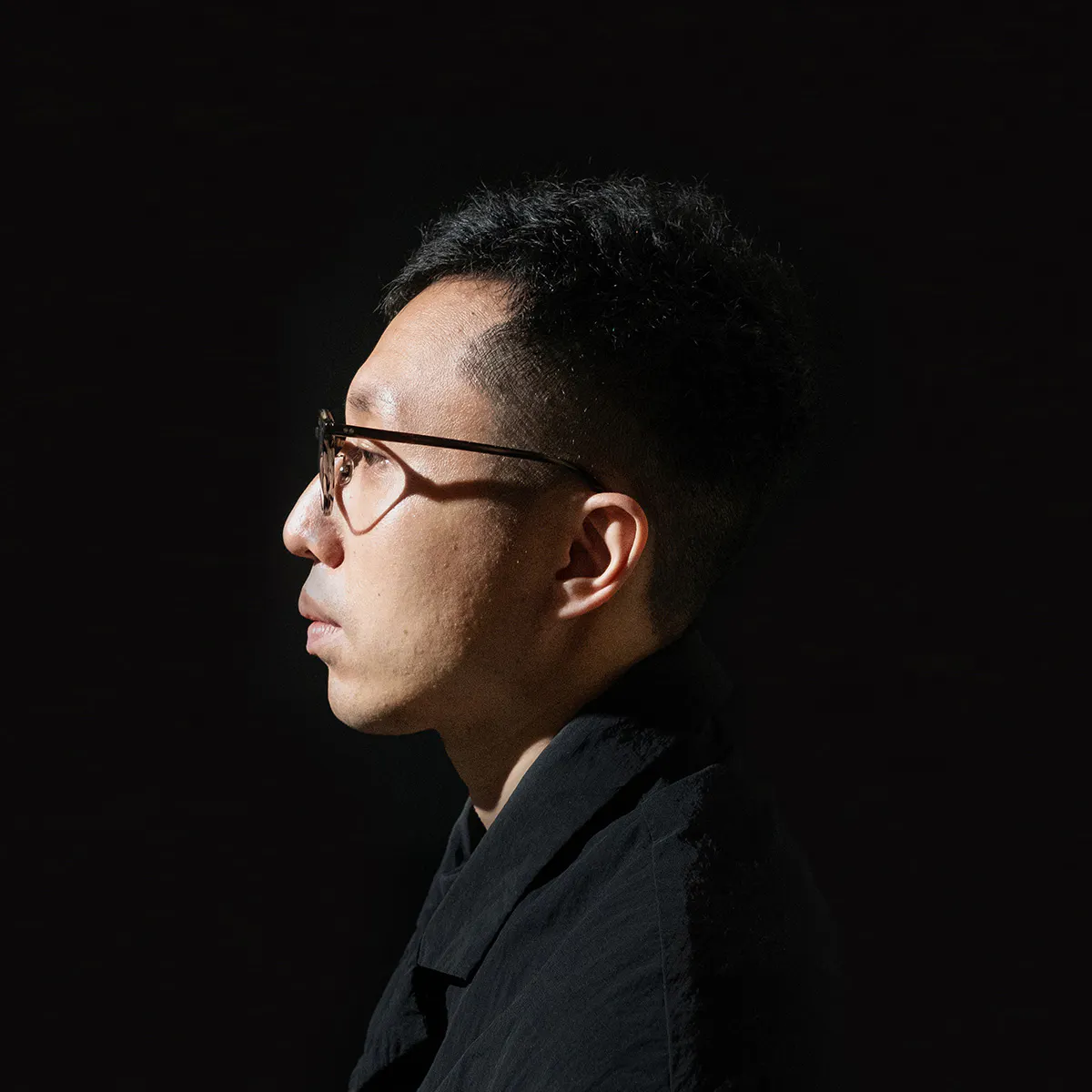
- Seth Hon